Football is one of the UK’s biggest cultural passions. Across England, Scotland, Wales and Northern Ireland, the sport shapes local identity, sparks lifelong rivalries and brings people together in pubs, homes and stadiums every weekend throughout the football season.
Today, British football is followed by millions around the world through the Premier League, international tournaments and historic clubs. But while England played a major role in formalising the modern game, football’s story belongs to the whole UK – and Scotland in particular had a huge influence on how the sport developed.
For visitors travelling around Britain, football isn’t just entertainment. It’s part of the atmosphere of the country itself.
Football Before the Modern Game
Long before professional clubs and packed stadiums existed, versions of football were already being played across Britain.
These early games were often chaotic community events played between villages or neighbourhoods, with very few rules and huge numbers of players. Matches could spread across entire fields or streets and were often more about local pride than organised sport.
Different forms of football developed across England and Scotland over centuries, with schools, universities and local communities all playing slightly different versions of the game. By the 19th century, the need for a standard set of rules became increasingly important.

Formalising the Modern Game of Football
In 1863, the Football Association (FA) was founded in London. This helped standardise the modern rules of association football and separated the sport from rugby.
This moment is widely seen as the formal beginning of modern football. The new rules allowed for organised competitions, structured leagues, official clubs and national matches.
Football quickly spread across Britain’s rapidly growing industrial cities and became deeply connected to working-class communities. And, while England formalised the rules, Scotland had an enormous influence on how football was actually played.
Early English football often focused on individual dribbling and physicality, but Scottish teams became known for a more tactical, passing-based style of play – something much closer to the modern game we recognise today.
Scotland was also at the heart of one of football’s most important historical moments – the worlds first official international football match. In 1872, Scotland and England played each other in the Partick area of Glasgow in what is recognised as the first official international football fixture.
Today, football remains deeply woven into British culture, with fans known around the world for their passion and loyalty. Whilst each national team’s fans have their own particularities, from the Dutch’s Oranje Bus and Japan’s post-match stadium cleaning, the famous Scotland supporters are known as the Tartan Army, well known for their friendliness, enthusiasm, singing and generous charitable contributions to host cities.

Football and Industrial Britain
Football’s growth was closely tied to the Industrial Revolution.
As cities expanded during the 19th century, football became a shared social activity for factory workers, dock communities and mining towns. Clubs often emerged directly from workplaces, churches or railway companies.
Many of Britain’s biggest football cities still reflect these industrial roots today, including Manchester, Liverpool, Newcastle, Glasgow, and Birmingham. Supporting a football club became a symbol of local pride and identity – something that still defines football culture across the UK today.
Why Football Means So Much in Britain
In Britain, football is rarely “just a sport.” For many, the club they support is tied to family history, with rivalries inherited across generations and matchdays becoming a social ritual.
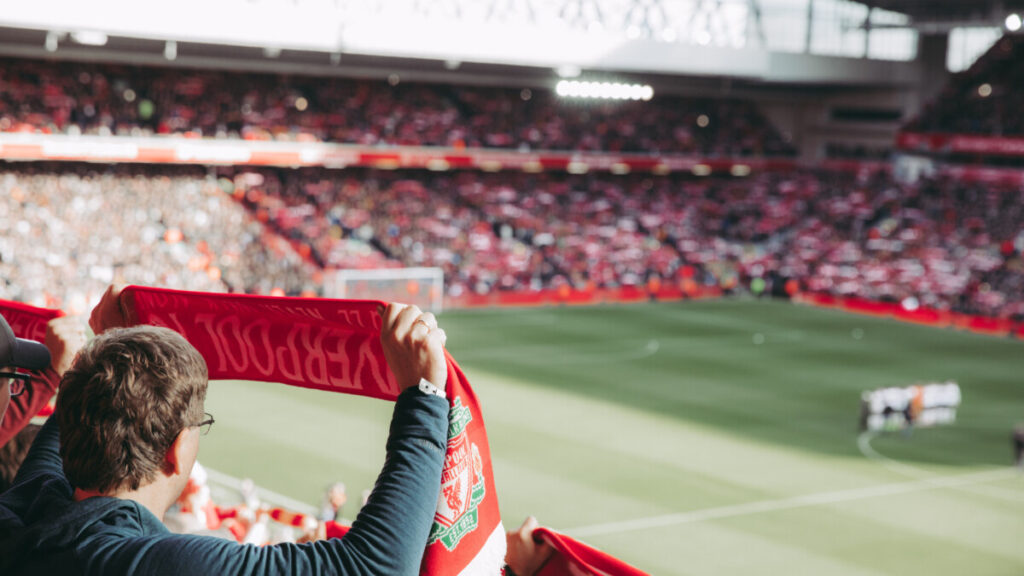
Fans often support the same club as their parents and grandparents, creating emotional connections that last a lifetime. This is why football atmospheres in the UK can feel so intense. Entire neighbourhoods transform on matchdays, with club shirts filling streets, pubs packed with supporters and chants echoing around stadiums.
Even visitors with little interest in football often find themselves caught up in the energy.
Whilst rivalries in other sports may be largely driven by geography, rivalries in British football tend to run much deeper. Many are rooted in history, industry, religion and local identity, and some of the most famous fixtures in the game reflect that. Across England and Scotland, a few stand out:
Manchester United vs Liverpool: often seen as England’s biggest rivalry, shaped by both footballing success and the historic industrial competition between the two cities, particularly after the Manchester Ship Canal challenged Liverpool’s port dominance in the 19th century.
Celtic vs Rangers (the Old Firm): one of the most intense rivalries in world football, rooted in Glasgow’s religious and cultural history following Irish immigration in the 1800s.
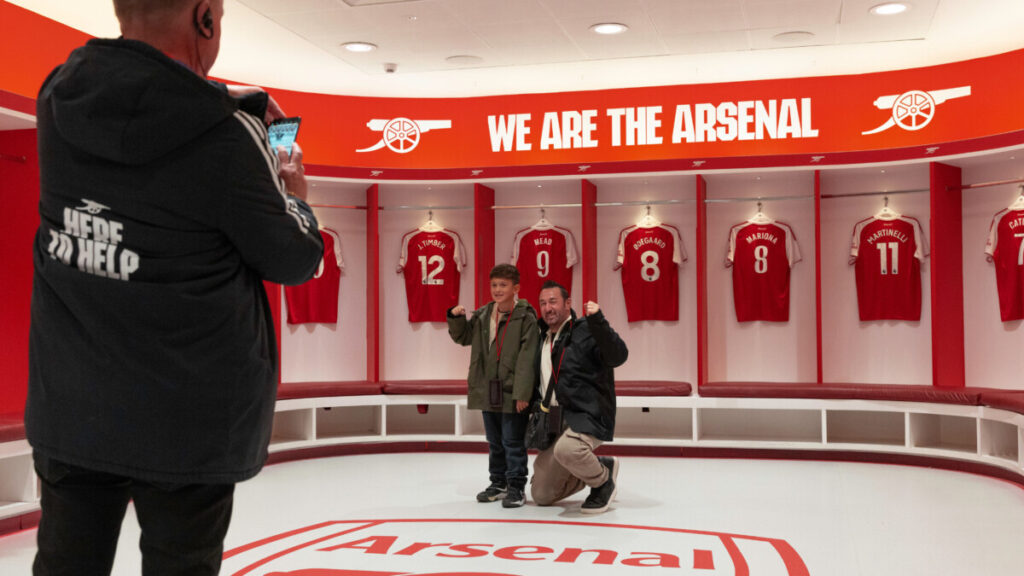
Arsenal vs Tottenham Hotspur (North London Derby): a fierce local rivalry between two clubs just a few miles apart, sparked by Arsenal’s controversial move from Woolwich to Highbury in 1913.
Newcastle United vs Sunderland (Tyne–Wear Derby): driven by deep regional pride in northeast England, with roots often traced back to historic political divides, including opposing sides during the English Civil War in the 1600s.
There are dozens more rivalries across the UK – from the Merseyside Derby (Liverpool vs Everton) to the Manchester Derby, the South Wales Derby (Cardiff vs Swansea) and tightly contested local fixtures in cities like Sheffield, Birmingham and Bristol.
What makes these rivalries unique is how deeply they are woven into everyday life. They are talked about year-round, passed down through families, and often matter just as much off the pitch as on it. For visitors, understanding these rivalries adds another dimension to watching football in the UK – whether you’re in a packed pub, a stadium, or a crowd gathered around a big screen.
The Rise of Britain’s Football Stadiums
The launch of the Premier League in 1992 further transformed British football into a global phenomenon. The league’s international reach helped turn clubs like into worldwide brands with supporters across North America, Europe, Asia and Australia.
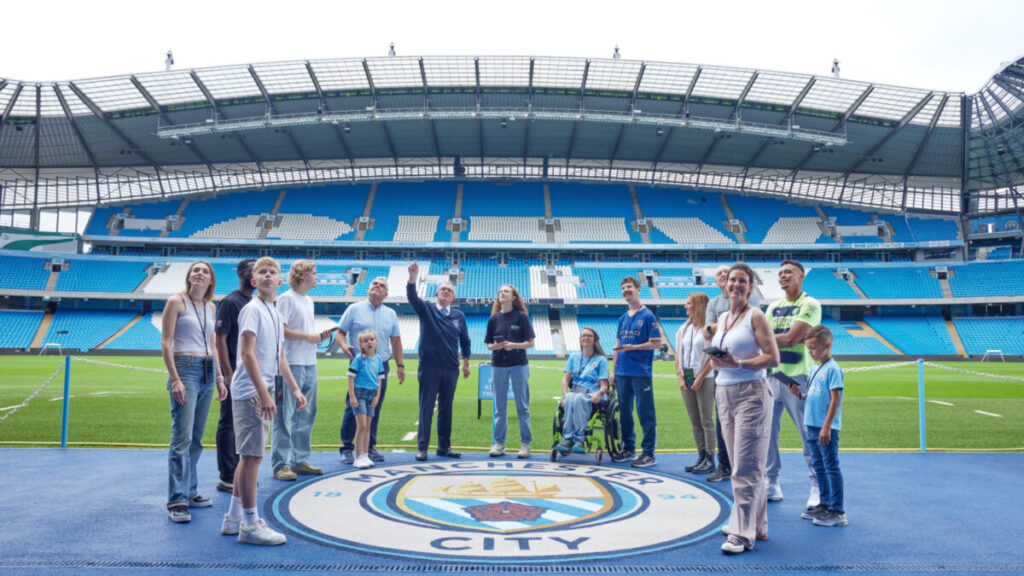
As football grew in popularity, stadiums became major cultural landmarks in their own right. Today, stadium tours give visitors the chance to explore the history and atmosphere of some of the UK’s most famous football venues.
Visitors can walk through players’ tunnels, visit dressing rooms, take in the stadium pitch side, and learn about legendary matches and players. Iconic experiences include:
- Wembley Stadium in London
- Arsenal’s Emirates Stadium
- Chelsea FC’s Stamford Bridge
- Liverpool FC’s Anfield
- Manchester City’s Etihad Stadium
For many travellers, these visits provide a deeper understanding of football culture beyond what they see on television.
Football Culture Beyond the Stadium
One of the most surprising things for visitors is how much football culture exists outside the stadium itself.
Across the UK, football appears everywhere – from conversations in pubs and news headlines, to giant outdoor screenings for tournaments, football chants and songs, and parades for winning teams at the end of the season.
During major tournaments like the World Cup or the Euros, cities across Britain become especially lively. Outdoor venues and sports bars fill with fans watching matches together, creating a strong sense of shared excitement.

Football’s story in the UK isn’t just about trophies or famous players. It’s about history, identity, community and culture across England, Scotland and the wider United Kingdom.
From the first international match between Scotland and England to today’s globally watched Premier League, football has become one of Britain’s defining cultural experiences — and for visitors, understanding the game can add an entirely new dimension to travelling through the UK.
Unless specified, all images used in this blog have been sourced from Canva, using the license given under Canva Pro subscription for teams.