Britain’s greatest stories are inseparable from the places that inspired them. Long before film adaptations and streaming series brought classic novels to global audiences, authors were drawing deeply from the landscapes, cities and buildings around them – transforming real locations into unforgettable literary settings.
Today, as more people explore Britain through the stories they love, literary tourism is evolving. It’s no longer just about having read the book – it’s about understanding the relationship between story, setting and place, as well as experiencing it first‑hand.
Jane Austen and the Enduring Appeal of Bath
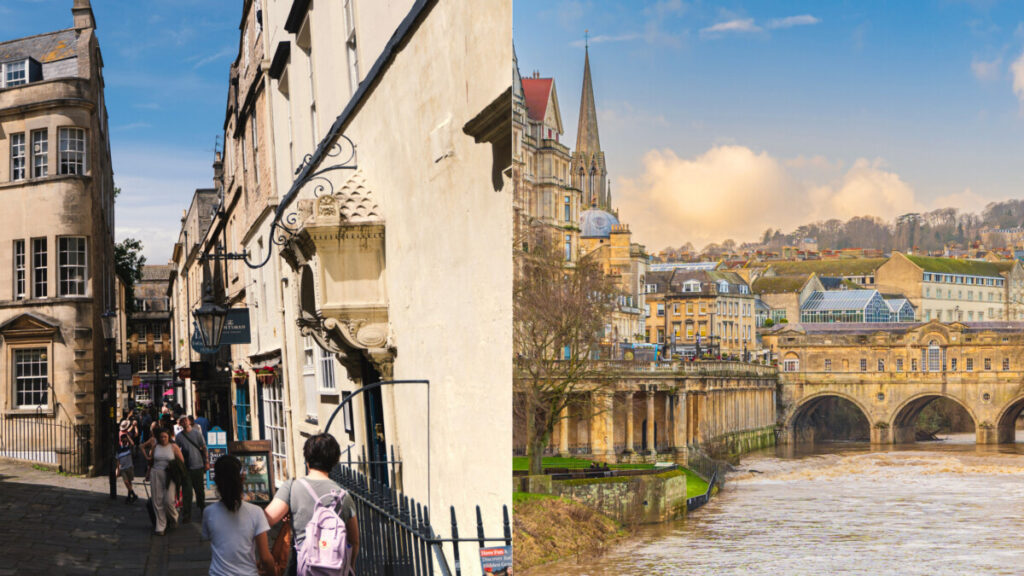
Few authors are as closely connected to a single city as Jane Austen is to Bath. The city plays a central role in Pride & Prejudice and Sense & Sensibility, its Georgian architecture and social spaces reflecting the rigid etiquette, romance and intrigue that define Austen’s work.
With adaptations of her famous works regularly appearing on the little and big screen (including the now-popular adjacent show The Other Bennett Sister by the BBC), it’s no wonder people are curious about Regency England.
Walking through Bath today – from the Royal Crescent to the Assembly Rooms – visitors can still trace the rhythms of Regency society. The buildings become more than beautiful backdrops; they reveal how Austen observed class, courtship and reputation through the lens of real places and lived experience.
Exploring these locations helps bring nuance to stories that many people first encounter through film or television, grounding romantic narratives in the realities of their time. And for the eagle-eyed amongst us, you’ll even spot filming locations from the Netflix hit, Bridgerton.
Shakespeare’s England: From Stratford‑upon‑Avon to the London Stage
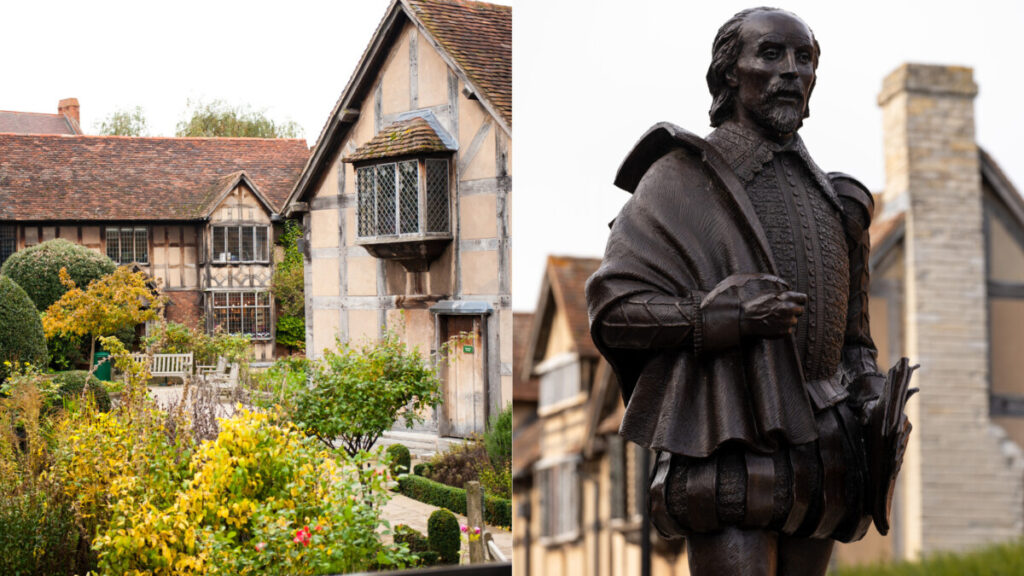
No exploration of Britain’s literary locations would be complete without William Shakespeare, whose life and work are rooted in both provincial England and the bustling world of London theatre. With numerous adaptations of his works on screen, and the recent release of Hamnet (based on the historical fiction by Maggie O’Farrell), the curiosity surrounding the Bard continues to flourish.
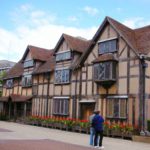
Shakespeare was born in Stratford‑upon‑Avon, a market town in Warwickshire that remains one of the most important literary destinations in the UK. Visiting Shakespeare’s birthplace offers insight into the playwright’s early life, the social conditions of Elizabethan England, and the formative experiences that shaped his storytelling. The town’s historic streets and buildings help ground Shakespeare’s extraordinary output in an ordinary, very human beginning.
Later, Shakespeare’s career became closely tied to London, where his plays were written for performance rather than passive reading. Today, Shakespeare’s Globe stands near the site of the original theatre, connecting visitors to the energy and immediacy of works such as Romeo and Juliet, Hamlet and Macbeth. Experiencing both Stratford‑upon‑Avon and London reveals the full arc of Shakespeare’s story – from birthplace to stage – and deepens understanding of how place influenced one of the world’s most enduring literary voices.
Oxford: A City That Inspired Imagined Worlds
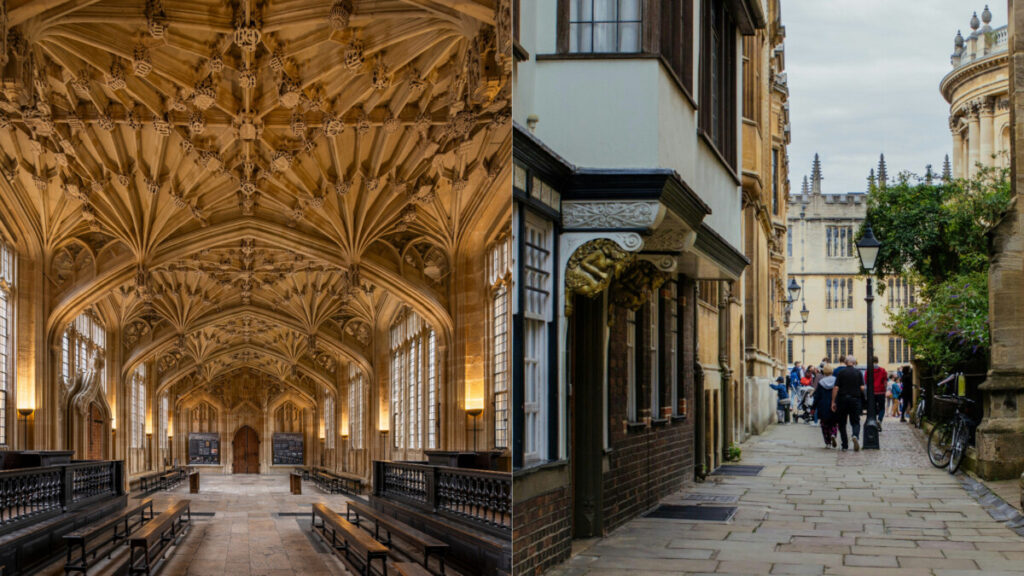
With its ancient colleges and cobbled streets, Oxford has long been a source of literary inspiration. Authors including J.R.R. Tolkien and C.S. Lewis found creative fuel in the city’s intellectual atmosphere and layered history, with echoes of Oxford appearing in both The Lord of the Rings and The Chronicles of Narnia. Many TV shows and films have found their setting in Oxford, including Harry Potter and most recently, Young Sherlock.
Oxford’s appeal also lies in its ability to blur the line between reality and imagination. Locations visitors recognise from literature and screen adaptations become entry points into deeper conversations about how place shapes storytelling – and how stories, in turn, shape how we see place.
The Yorkshire Moors and the Emotional Power of Landscape
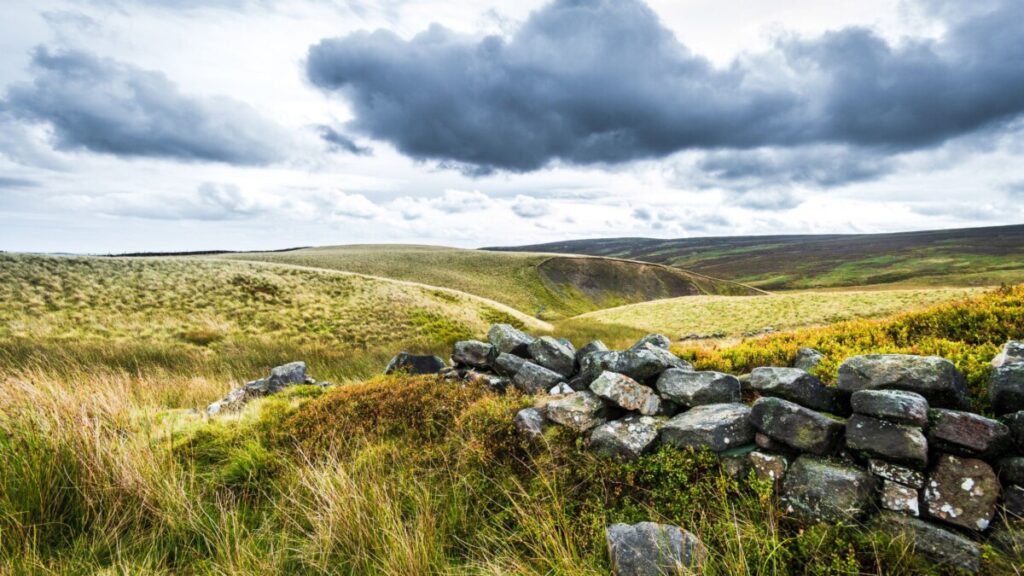
Some locations are so central to a novel that they function almost as characters in their own right. The Yorkshire Moors, forever associated with Emily Brontë’s Wuthering Heights, are a prime example – with interest peaked once again in the latest film adaptation starring Margot Robbie and Jacob Elordi.
Bleak, dramatic and windswept, the landscape amplifies the novel’s emotional intensity. Standing on the moors offers insight into why Brontë’s story feels so raw and untamed – and why adaptations continue to return to this setting to capture its atmosphere and symbolism.
Here, literary tourism becomes sensory: it’s not just about what happened in the story, but how the environment makes you feel.
Blending Books, Screen and Place
As literature increasingly intersects with film and television, many of us are keen to engage with literary locations through adaptations rather than original texts. This shift has changed how stories are experienced – and has opened the door to a broader, more inclusive form of literary tourism.
Understanding where a location aligns with the book, where adaptations have taken creative liberties, and how authors originally experienced these places adds depth to any visit. It turns curiosity into connection and sightseeing into storytelling.

Bringing Literary Insight to Life
Across destinations such as Bath, Oxford, Windsor and London, Evan Evans guides regularly bring these literary connections into focus – sharing stories behind the stories, clarifying common misconceptions, and linking fiction back to the real places that inspired it.
Whether inspired by a novel, a screenplay or a long‑held curiosity, stepping into these settings offers a deeper appreciation of why Britain’s literary legacy continues to resonate across generations.
Unless specified, all images used in this blog have been sourced from Canva, using the license given under Canva Pro subscription for teams.