Bridgerton may be a work of fiction, but its world is deeply rooted in real British history. Set during the Regency era, the series draws heavily on the customs, architecture, and social rules of early 19th-century Britain – a period that shaped much of the UK we still see today.
As anticipation builds for the second part of season 4 and the conclusion of Benedict & Sophie’s storyline, many viewers are becoming curious about how much of Bridgerton reflects real history, and how much has been reimagined for modern audiences.
Read on to discover more about Bridgerton & British History, as well as how you can discover it in person.
What was the Regency Era?
The Regency era was a short but influential period in British history between 1811 and 1820. This is due to rapid urban expansion, strict social hierarchies and an obsession with etiquette, reputation, and marriage throughout. During the period, London became the centre of elite society, while grand country estates symbolised wealth, power, and status.
Much of the architecture associated with Bridgerton – elegant townhouses, formal squares, and landscaped parks – date from this period and can still be seen in cities including London and Bath.
High Society, Class, and the Marriage Market
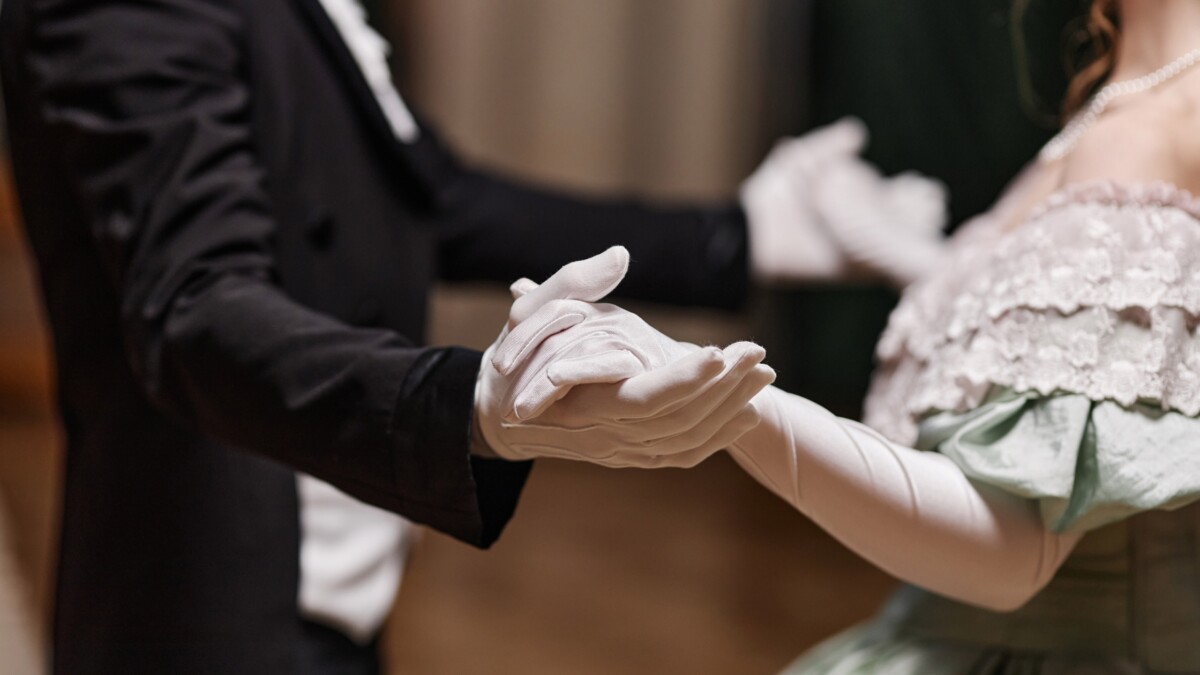
At the heart of Bridgerton is the marriage season, a very real aspect of Regency society. Young women from wealthy families were formally “presented” to society, with the goal of securing a suitable match. Marriage was rarely about romance alone – it was a strategic decision tied to family alliances, inheritance, and social standing.
Public balls, promenades in royal parks, and formal dinners were all carefully orchestrated social events, designed to display status and secure advantageous connections.
London Life in the Regency Era
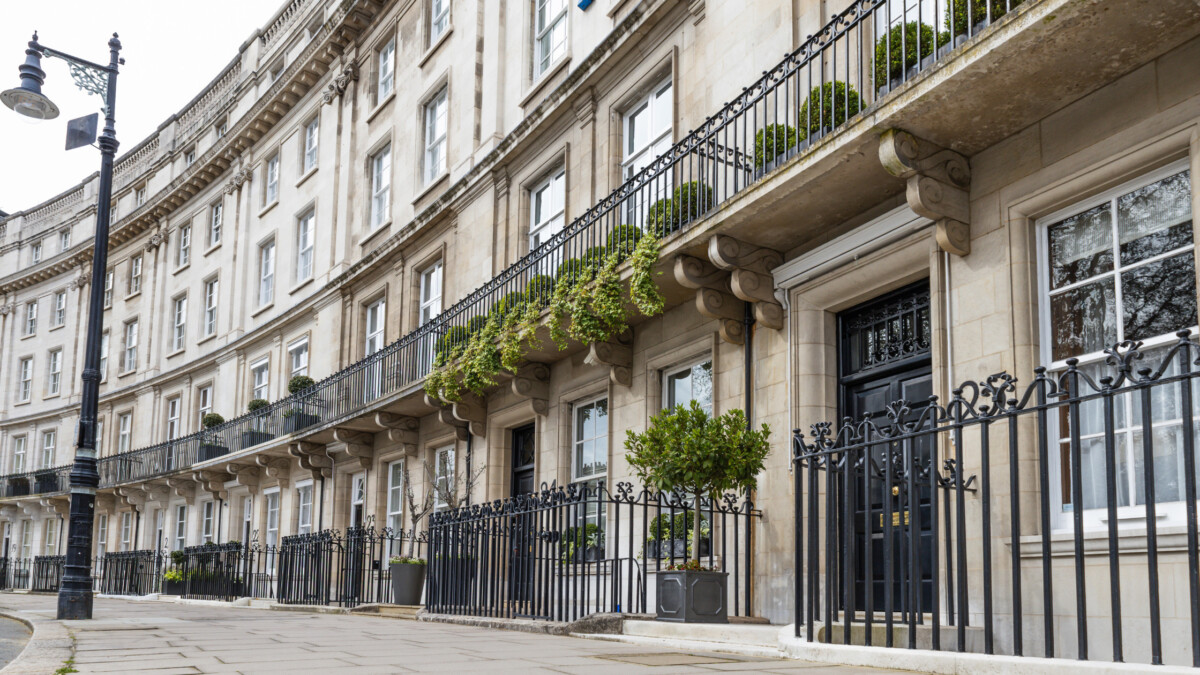
Bridgerton’s glamorous vision of London reflects the city’s real role as a social and political powerhouse during the Regency Era. The period included newly developed neighbourhoods like Bloomsbury and Mayfair, garden squares for social display, and social hubs centred around coffee houses, clubs and theatres.
Many of these areas remain central to London today, making it possible for you to walk through streets shaped by the same era that inspired Bridgerton.
The Role of Women in Regency Britain
While Bridgerton presents strong, independent female characters, real Regency women faced strict limitations throughout their lives. Women of upper class families were raised and expected to marry well, maintain their family’s unblemished reputation and follow very rigid codes of behaviour in society.
Education, independence, and personal choice were limited, with each series’ events and characters such as Eloise Bridgerton regularly highlighting this inequality.
Country Estates and Power
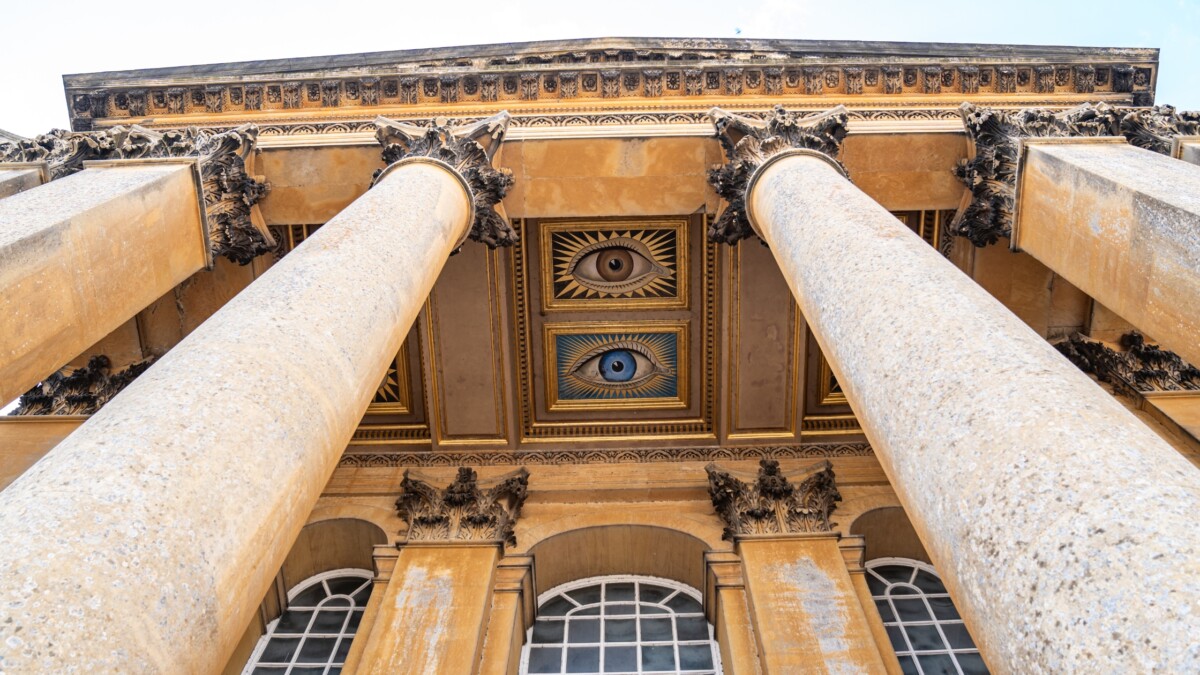
Stately homes play a starring role in Bridgerton, representing wealth, lineage, and influence. However, in reality, these estates were also a combination of economic power centres, symbols of political authority, and home to large households of servants – the latter of which is shown best in the current season.
Visiting preserved stately homes today, such as Blenheim Palace, offers insight into how Britain’s elite lived – from lavish interiors to the working lives behind the scenes.
How Accurate Is the British History in Bridgerton?
Whilst we may love to immerse ourselves in the world of Lady Whistledown and Bridgerton, it should be remembered that the show blends fact and fiction. Although architecture, social rituals and many fashion silhouettes remain accurate, there is creative license taken with historic timelines, the diversity of aristocracy and the use of modern music adaptations.
However, it is this creative approach which has sparked a renewed interest in this period of British history, especially for new audiences.
Experiencing Regency History Today
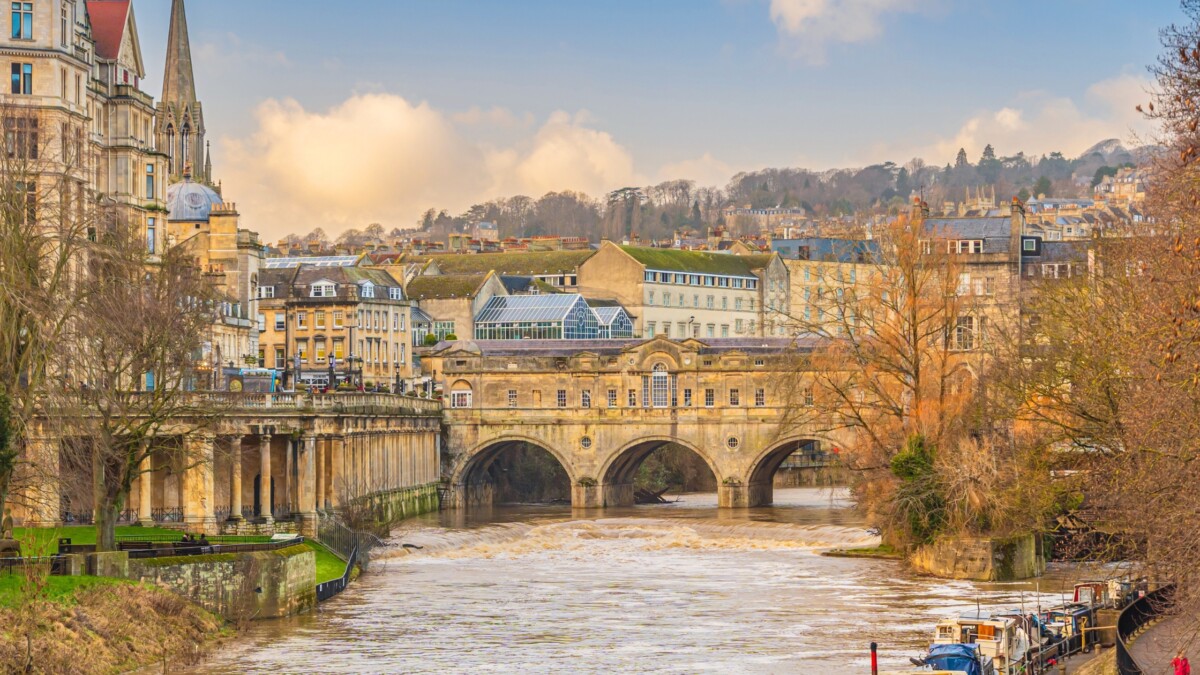
For travellers interested in the real world behind Bridgerton, the UK offers countless opportunities to explore Regency and Georgian history. From visiting historic cities like Bath and London, to visiting preserved stately homes and guided tours, the influence of the Regency Era has endured.
Exploring these locations with expert guides helps bring the era to life, offering deeper context beyond what appears on screen.
The Regency era shaped Britain’s cities, social customs, and cultural identity – many elements of which are still visible today – with Bridgerton’s appeal rooted in a fascinating period of British history, alongside romance and spectacle.