Easter is both a religious and cultural celebration in Britain, blending centuries-old traditions with modern family customs. For visitors travelling in spring, it’s a time when historic sites, cities, and countryside destinations come alive.
When Is Easter Celebrated in the UK?
Easter follows the Christian calendar, meaning dates vary each year. Good Friday and Easter Monday are public holidays across much of the UK.
Traditional Easter Customs

Common British Easter traditions vary depending on people’s beliefs, with some retaining the religious aspect and attending church services, whilst others may enjoy only the more social and cultural aspects.
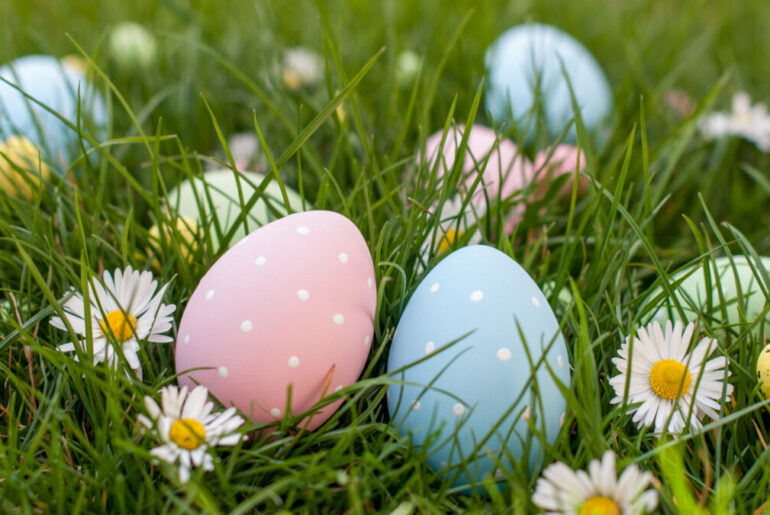
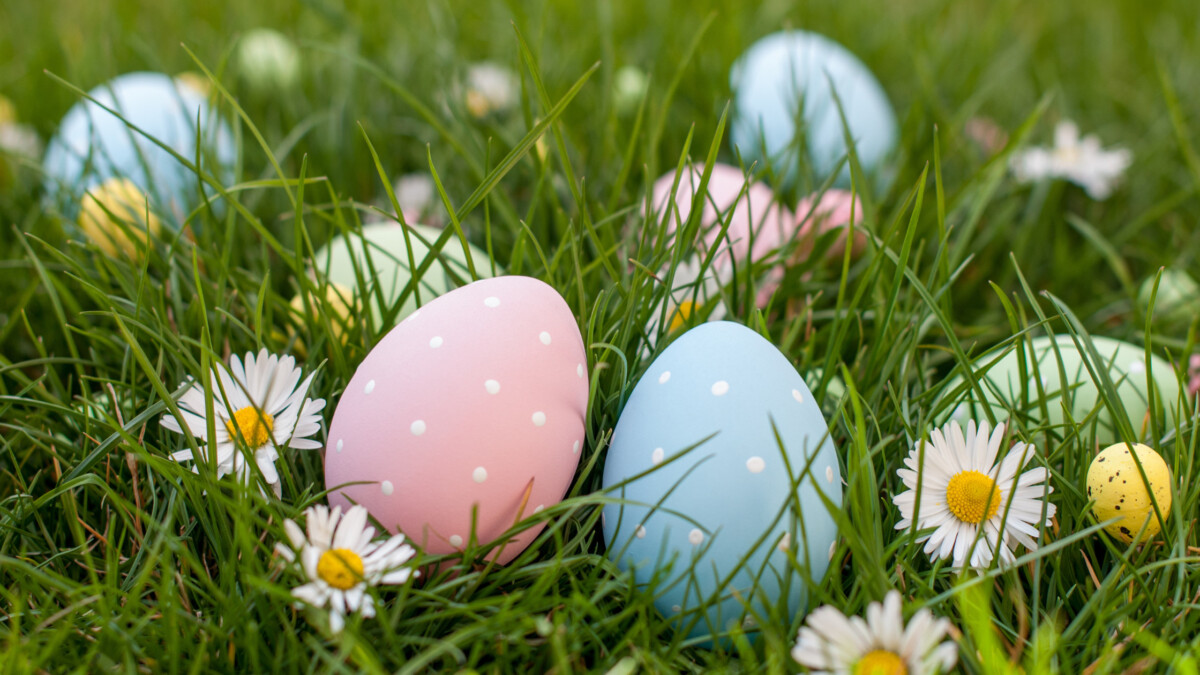
Some of these are chocolate easter eggs (sometimes available in shops immediately after Christmas)!, egg hunts for children and seasonal baking to tie in with the new spring season.
Easter Food in Britain
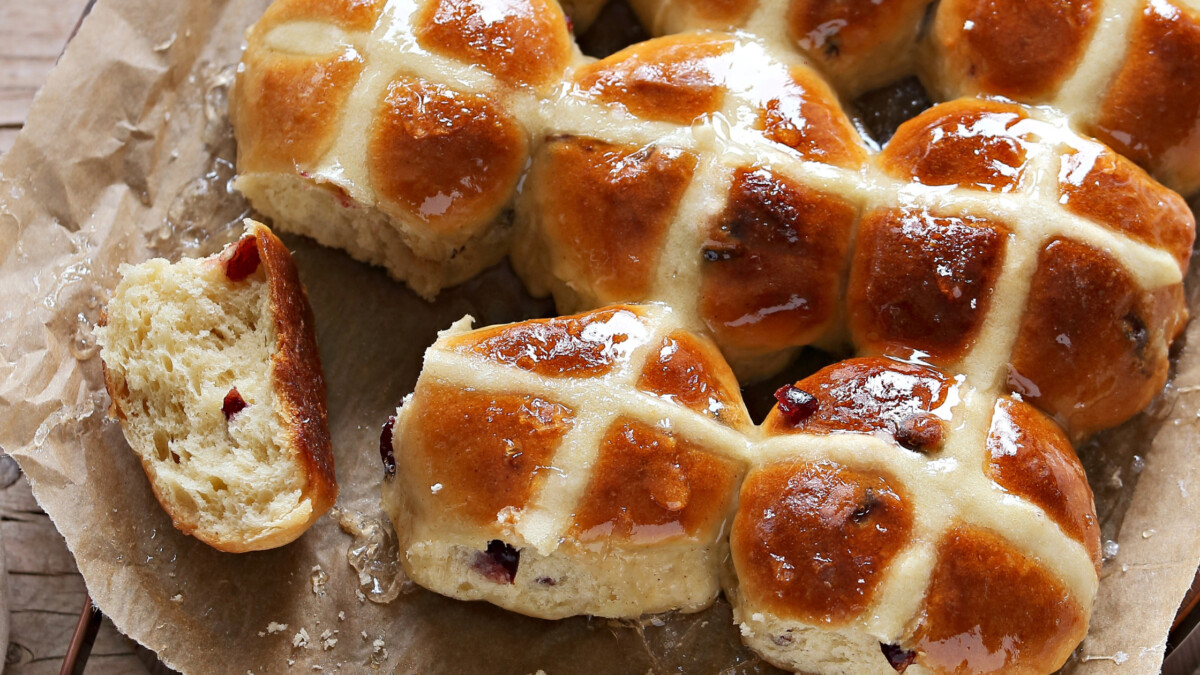
There are several foods that are connected with the long Easter weekend in Britain, including lamb roasts, chocolate eggs, hot cross buns and simnel cake.
A good sign of spring being on the way is when racks of hot cross buns start appearing in shops across Britain. Traditionally eaten on Good Friday to make the end of Lent, the buns have multiple elements with specific religious meanings – the cross representing the crucifixion of Jesus, the bread a nod to communion, and the spices said to represent the spices used to wrap Jesus in his tomb. In modern day, there are alternative options for those who prefer different flavours including chocolate, lemon, banana, caramel and apple. Regardless of the flavour, they are usually enjoyed toasted.
During the Easter period, the most popular option for roast dinners becomes lamb due to its seasonality as one of the fresh meats available in spring. Traditionally roasted with garlic and rosemary, it is served alongside roast potatoes and seasonal vegetables such as asparagus.
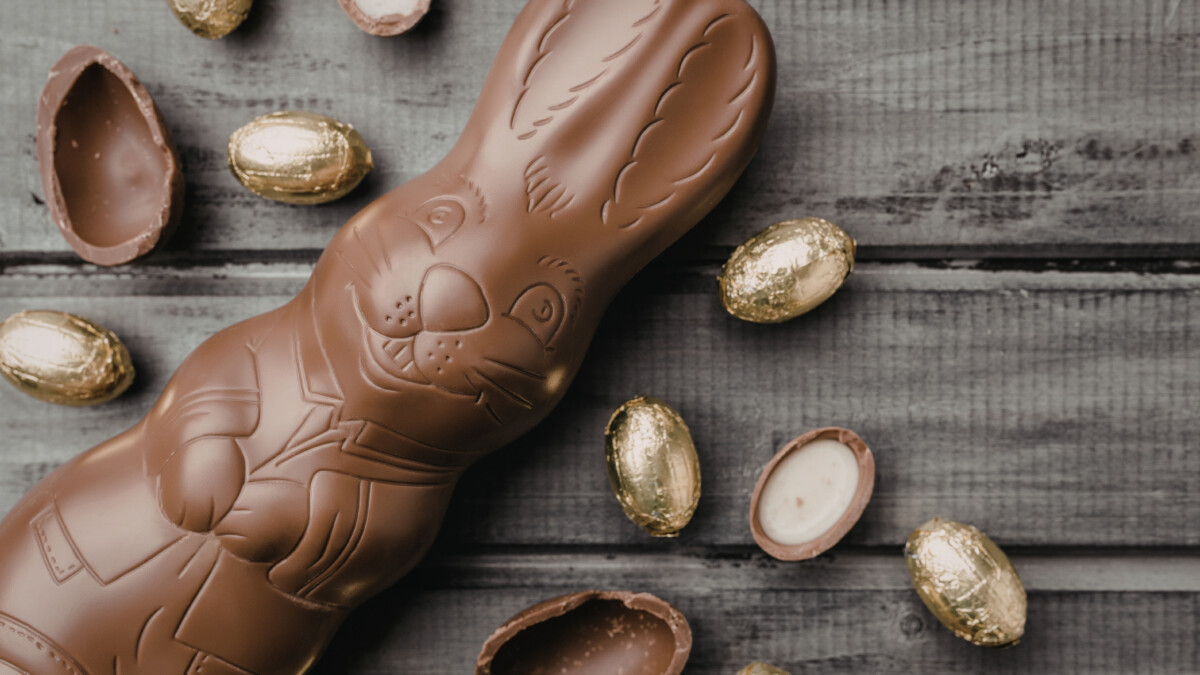
Chocolate eggs are usually given as gifts during Easter, with many brands offering their own twist on the egg – from large hollow chocolate eggs to smaller snack-size mini eggs. Linked to ancient spring fertility traditions and later Christian traditions, eggs are seen as a symbol of the season’s fertility, new life, and rebirth. Historically, eggs were forbidden during the days of Lent, leading them to hard-boil eggs to keep them fresh, decorate them and then eat them on Easter Sunday to celebrate the end of their fast. Chocolate eggs became popular in the 1800s, with companies such as Cadbury’s mass producing them by the 1870s.
A more traditional sweet treat is the Simnel Cake – a light fruitcake with dried fruits, lemon zest, two layers of marzipan and decorated with marzipan balls. Originating in the medieval period, it was once a boiled and then baked yeast-leavened bread which later evolved into its sweeter current state.
Easter Travel in Britain
Easter is a busy travel period, particularly for families. Due to both the Friday and the Monday being public holidays and giving a majority of people time off work, many people will begin travelling on Thursday to spend time with loved ones over the long weekend.
Many attractions run special events, and countryside destinations are especially popular, especially thanks to the nicer weather and fresh spring blooms.
Easter in Britain offers visitors a blend of history, tradition, and seasonal celebration, making it an excellent time to experience British culture.