St Patrick’s Day may have its roots in Ireland, but people worldwide are gearing up to celebrate Ireland’s patron saint. Cities across the UK come alive to celebrate with parades, music and swathes of green.
With the proximity to Ireland, there are multiple British cities that are home to long-standing Irish communities as well as recent transplants. In London alone, it’s estimated that there are 1700,000 expats from the Emerald Isle! If you plan to visit the UK during the festivities, take a look at our guide for helpful tips.
Who is St Patrick?
The patron saint of Ireland, St Patrick, is a 5th century missionary credited with bringing Christianity to the country and is celebrated worldwide on 17 March to coincide with the date of his death in 461AD.
Legends surrounding St Patrick include using the three-leafed shamrock to explain the Holy Trinity and driving all the snakes from the country. Originally a religious feast day, it’s now evolved into the modern celebration of Irish culture as a whole.
Traditional Irish & St Patrick’s Day Symbols

The Harp (Cláirseach) is the official national emblem, appearing on passports, coins and official documents as a symbol of national identity, resilience, unity and a link to their rich musical heritage going back over a millennium – with harps revered in ancient Gaelic society. Whilst the state uses the harp facing left, the registered trademark of Guinness has been a right-facing version since 1862.
Shamrocks, or three-leafed clovers, are tied to Ireland originally through the legend of St Patrick but now are used as a symbol of luck, vitality, faith, love and hope. In Celtic tradition, it is a sacred plant linked to the three realms of land, sea, and sky. The rarer four-leafed clover is a popular icon also, with each leaf representing a different virtue – faith, hope, love and luck – whilst also bringing good fortune, prosperity, and protection.
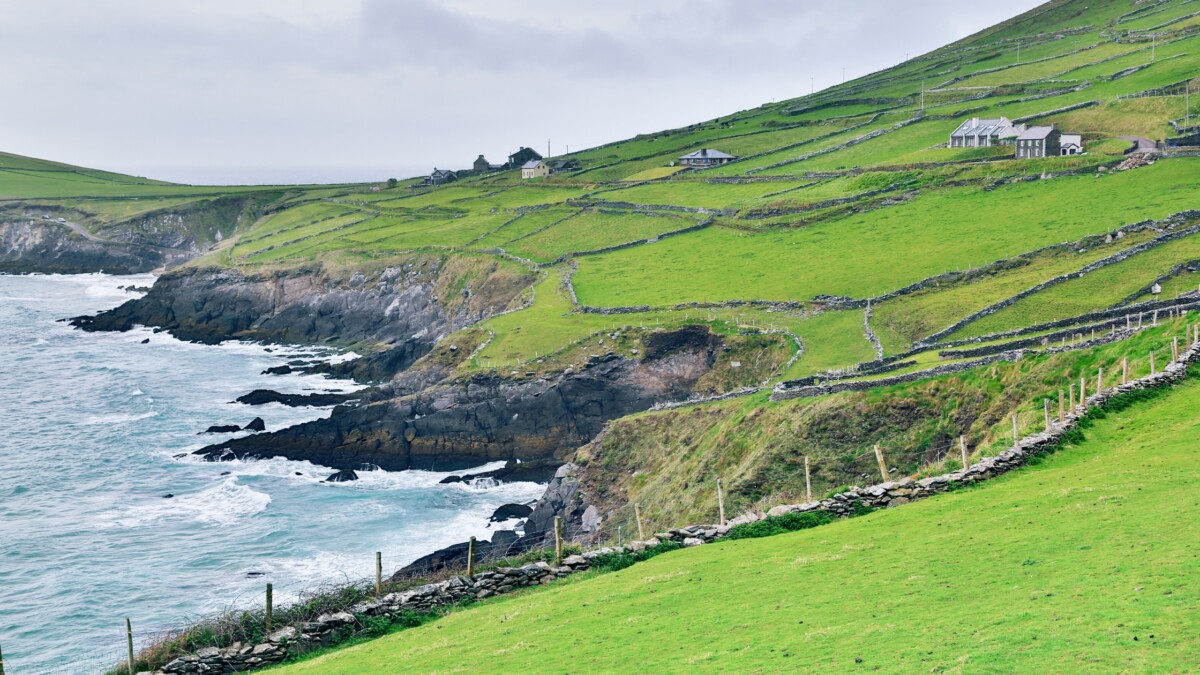
Ireland is strongly tied to the colour green – even referred to as the Emerald Isle – due to the popularity of the shamrock and the lush, rain-fed Irish landscape. Historically, it was also a symbol of rebellion and Irish nationalism in the 17th and 18th centuries, with rebels wearing it as an act of defiance against the British Crown.
The green is also tied to fairies of Irish folkore, most notably the leprechaun – a mischevious shoe-making fairy who is now a symbol of luck and whimsy. Known for being tricky, the fairies are said to be cobblers by trade and possessing hidden pots of gold. According to the folklore, wearing green is meant to make you invisible to leprechauns who like to pinch anyone they can see, whilst others believe it will bring good luck.
Traditional Irish food and drink

Around St Patricks Day, you’ll find restaurants and pubs doing special deals – mostly around iconic drinks such as stouts, whiskey, cream liqueurs and Irish coffees.
Renowned Irish beers include the iconic stout of Guinness, the milder alternative of Murphy’s Stout, Smithwick’s and Harp Larger. You’ll also find whiskey’s including Jameson, Bushmills, and Tullamore Dew may be on offer, whilst cream liqueurs such as Bailey’s Irish Cream (a blend of whiskey and cream) can be served solo or in coffee.
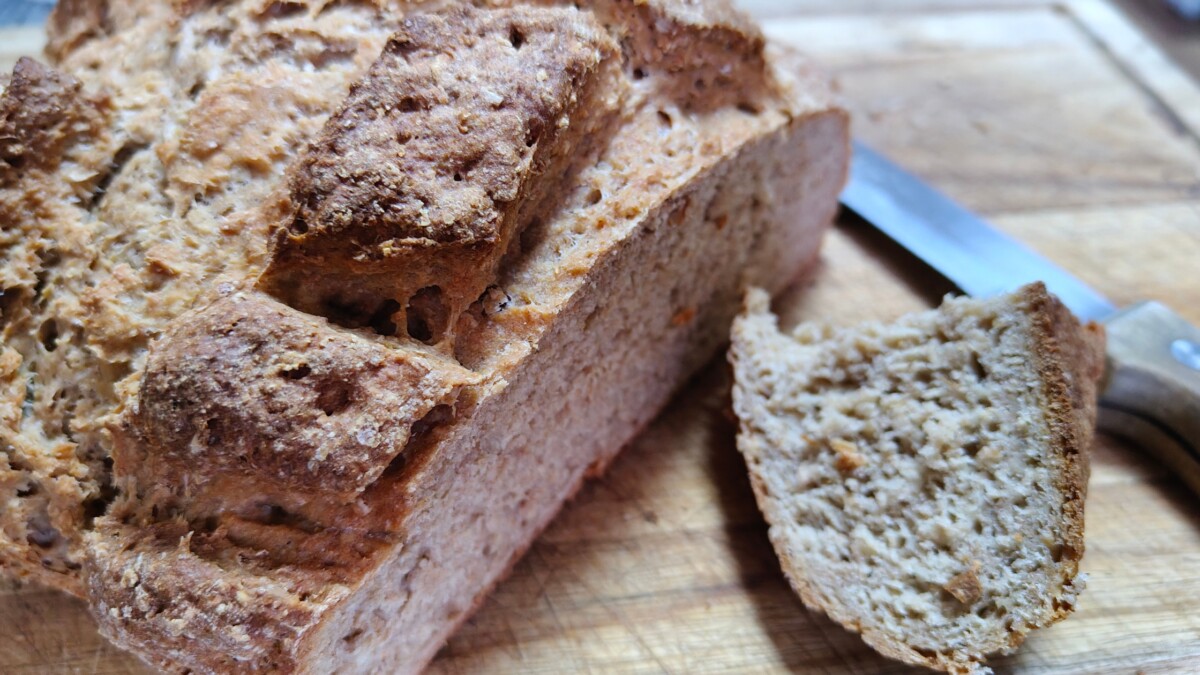
An iconic meal choice is Irish stew – a slow-cooked, hearty meal traditionally made with lamb, or mutton, potatoes, onions and carrots. Another favourite is soda bread, a quick made bread with no yeast that uses baking soda as a leavening agent – perfect alongside a stew or even just with butter.
How Is St Patrick’s Day Celebrated in Britain?
St Patrick’s Day is marked in multiple ways, from public parades and cultural festivals to traditional music, dance, family friendly events, and events awash with green in city centres.
Whilst city centres can be busy, transport usually runs normally, allowing many visitors to combine celebrations with daytime sightseeing or short trips outside major cities.

London
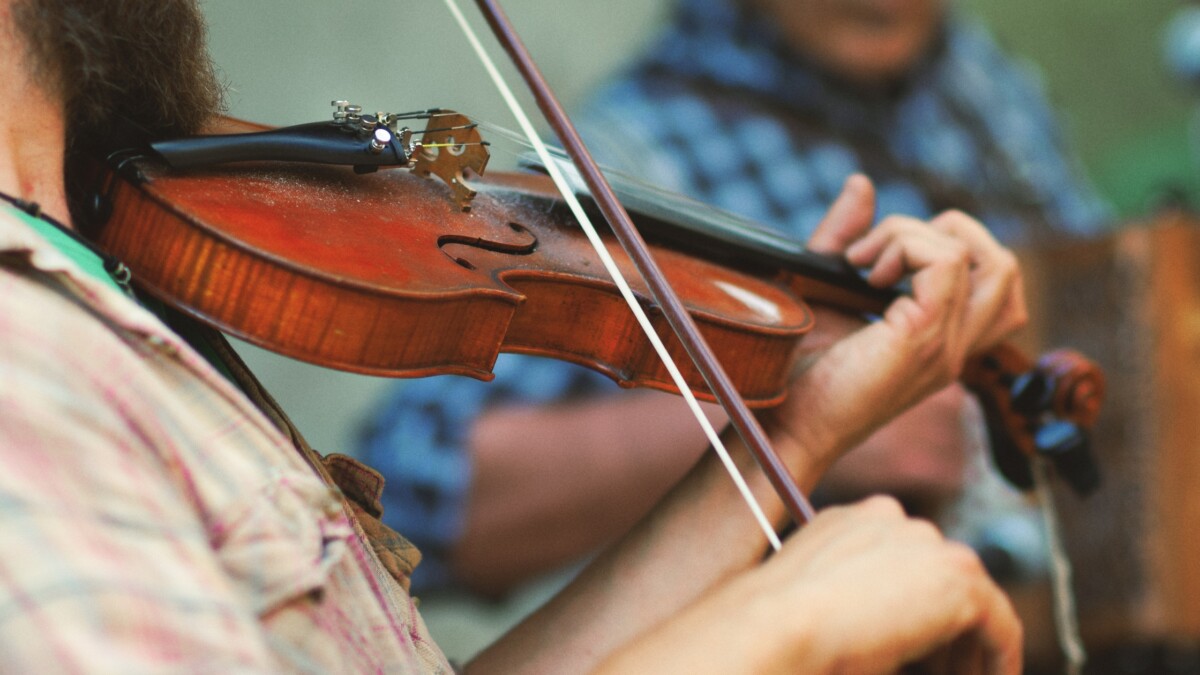
The capital hosts many events across the weekend closest to 17 March. Attracting over 50,000 people each year, the Mayor of London’s annual St Patrick’s Day Parade begins at Hyde Park Corner and brings with it pageantry, floats, Irish music, dance troupes and marching bands from 11am as it moves down Whitehall to Trafalgar Square. You can also enjoy a free party in Trafalgar Square, with live music, comedy, food and drink. Special events are also hosted by the London Irish Centre in north London – including exclusive Celtic musical appearances. For those closer to west London, Hammersmith’s Irish Cultural Centre hosts music lessons for cultural instruments such as fiddle, banjo, and flute. New to London is also the Guinness Open Gate Brewery, which hosts a line-up of comedy, craic, and captivating music alongside special menus.
Birmingham
Britain’s second-largest city is also home to a big Irish community, with a St Patrick’s Family Fun Day at the Irish Centre with entertainment, activities, food, live bands, and music. You can also explore Digbeth’s Irish Quarter with a week of live music, but please note if you’re visiting in 2026, the annual parade is having a break this year.
Manchester
Manchester will also be hosting its own multi-day Irish Festival featuring art, comedy, dancing, music, sport and theatrical performances. They will also be having their own parade through the city centre and a Irish Festival Village in St Ann’s square with themed food and live music.
Edinburgh
Scotland’s capital also gets in on the celebrations, with an annual parade filled with colourful costumes, music and dance. The Cowgate area of the city is known as a major hub of celebrations, as well as Irish pubs such as Malones and The Three Sisters offering live music, drink specials, and more during all-day free-entry parties. Extend your city experience with one of our Edinburgh rail tours.
St Patrick’s Day is a great springtime event with plenty to enjoy, no matter where you celebrate – sláinte!